FTZ and Bonded Warehouse Entries: The IEEPA Refund Question CBP Hasn't Answered Yet
FTZ Type 06 and warehouse IEEPA refunds follow special CAPE and ACE rules. Review eligible withdrawals, error F883, protest deadlines, and filing paths.
Foreign Trade Zones and bonded warehouses sit in a deferred-duty world by design — duties are generally assessed when merchandise is entered or withdrawn for consumption rather than when it first arrives in the zone or warehouse. That timing makes CAPE eligibility dependent on the entry type, withdrawal record, liquidation status, and reconciliation posture. If you operate an FTZ or use bonded warehouses meaningfully, do not apply the ordinary Type 01 workflow without checking the current category-specific rules.
This post explains how the IEEPA tariffs interacted with FTZ and warehouse entries, what records to preserve now, and the protest backstop you should run while waiting.
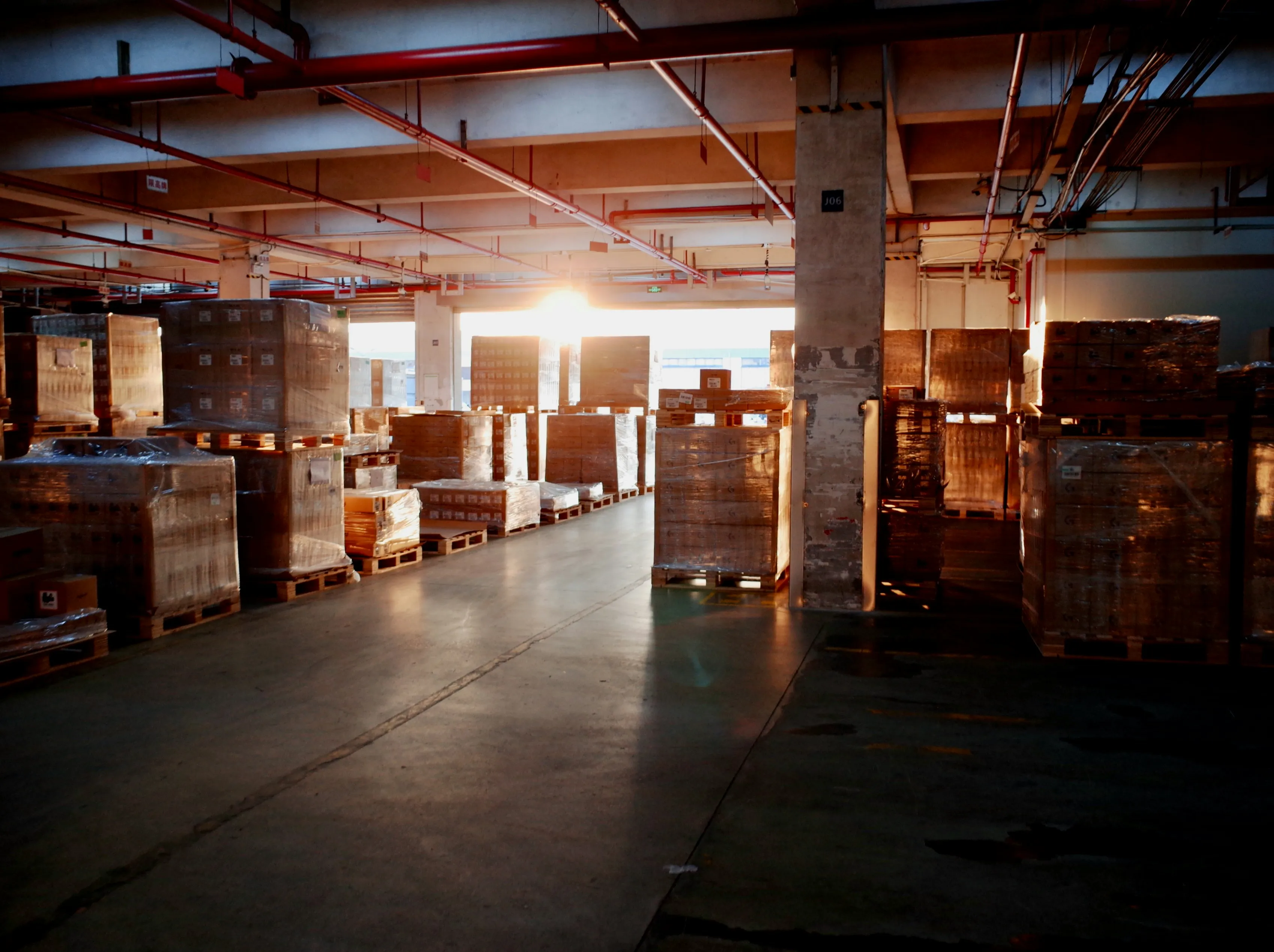
How IEEPA Hit FTZ and Warehouse Entries
IEEPA tariffs were in effect on consumption entries between February 1, 2025 and February 24, 2026. For ordinary consumption (Type 01) entries, the duty was paid at entry summary, the entry liquidated within roughly 314 days, and the books closed.
For FTZ and bonded warehouse merchandise, the IEEPA duty payment happened at a different point:
- FTZ Privileged Foreign (PF) admissions during IEEPA: rate was fixed at admission. Merchandise admitted with PF election between February 2025 and February 2026 carries an IEEPA-rate duty obligation that is paid at withdrawal.
- FTZ Non-Privileged Foreign (NPF) withdrawals during IEEPA: rate was determined at withdrawal. Anything admitted under NPF and withdrawn during the IEEPA window paid the IEEPA rate at the Type 06 withdrawal entry.
- Bonded warehouse withdrawals (Type 22) during IEEPA: duty was assessed at the time of withdrawal at the in-effect rate. Type 22 withdrawals between February 2025 and February 2026 paid IEEPA duties.
Each of these scenarios creates a real IEEPA duty payment that is, in concept, refundable. The reason CBP excluded them from Phase 1 is procedural, not substantive.
Why Phase 1 Could Not Handle Them
CBP’s Phase 1 workflow runs an entry-summary-level query: pull the entry summary, identify the IEEPA Chapter 99 duty line, refund that line. For Type 06 FTZ withdrawals and Type 22 warehouse withdrawals, the IEEPA-duty calculation depends on:
- The original admission record (which can be months or years prior)
- The PF or NPF election on the admission
- For manufacturing FTZs, the inventory accounting that links admitted inputs to withdrawn outputs
- The withdrawal entry itself
Phase 1 cannot link those records cleanly enough to refund without manual review. CBP has indicated that Phase 2 will address excluded categories, but no specific FTZ or warehouse workflow has been published as of May 2026.
What to Document Now
The work that pays off as CAPE expands is identifying every IEEPA-affected admission and withdrawal in your portfolio and pulling the supporting records before they age out of operational systems.
For FTZ operators, run inventory and movement reports covering:
- All PF admissions between February 1, 2025 and February 24, 2026 (with admission CF-214s and rate-fixing documentation)
- All NPF withdrawals (Type 06) during the same window
- For manufacturing FTZs: the production records linking admitted inputs to withdrawn outputs
For bonded warehouse users:
- All Type 22 withdrawals during the IEEPA window
- The original Type 21 entries those withdrawals drew from
- Any manipulation, manufacturing, or repackaging records under 19 CFR Part 19
Use our pre-counsel documentation checklist as a starting point, then layer on the FTZ-specific or warehouse-specific records.
File Protective Protests Where Deadlines Are Approaching
The 180-day protest deadline runs from the liquidation of the Type 06 or Type 22 entry — not from CBP’s CAPE rollout schedule. Entries that liquidated in mid-2025 may already be approaching the protest deadline. If you wait passively for Phase 2 specifics, you may forfeit the protest right entirely on those entries.
Protective protests under 19 USC 1514 are inexpensive insurance. They preserve the right to argue for full IEEPA recovery if Phase 2 turns out not to cover your specific FTZ or warehouse posture, and they preserve the option of a CIT challenge later. Our protest filing guide walks through the mechanics. Coordinate with your FTZ counsel or trade attorney on which entries to file on first.
Why Outside Counsel Matters Here
FTZ and warehouse refunds are among the most complex IEEPA refund scenarios because the analysis spans multiple regulatory frameworks: 19 USC 1311 (warehouse), 19 USC 81 (FTZ), 19 CFR Part 19 (warehouse manipulation), 19 CFR Part 146 (FTZ), and the IEEPA tariff regime itself. In-house customs teams that handle ordinary consumption entries comfortably often need outside counsel for the FTZ-CAPE or warehouse-CAPE intersection.
The cost of getting it wrong is significant: incorrectly filed CAPE declarations on FTZ withdrawals can be rejected, double-claim attempts trigger CBP scrutiny, and protest deadlines lost cannot be recovered. The cost of getting it right is a counsel engagement on a portfolio that often has six- or seven-figure IEEPA exposure.
What to Watch from CBP
CBP’s Phase 2 lane is live for qualifying reconciliation-flagged Entry Types 01, 02, and 06 without a Type 09 reconciliation already on file. That does not make every FTZ admission or warehouse transaction eligible. Warehouse withdrawals follow the July 7 rules below, and FTZ Type 06 PSCs that modify an IEEPA HTS now face error F883. Continue watching our CSMS message index and the CAPE Update Tracker for category-specific changes.
Update — July 7, 2026: CBP Clarifies Warehouse Withdrawals
CBP CSMS #69127837 now gives warehouse filers a concrete operating rule. Effective July 7, 2026, warehouse Entry Types 21 and 22 are no longer accepted on new CAPE Declarations and should reject with the existing ENTRY TYPE NOT ALLOWED message. Warehouse withdrawals with Entry Types 31, 32, 34, and 38 continue to be accepted because the IEEPA duties were paid on the withdrawals.
CBP also addressed the transition period. If a Type 21 or Type 22 warehouse entry was accepted on a CAPE Declaration from April 20 through July 6 without the corresponding warehouse withdrawal, CBP says it will not be liquidated or reliquidated with an IEEPA refund. The filer needs to submit another CAPE Declaration with the warehouse withdrawals on which IEEPA duties were paid.
This update is specific to bonded warehouse entries and withdrawals. FTZ treatment still requires separate analysis. For a step-by-step warehouse filing checklist, use the warehouse withdrawal CAPE filing guide.
Update — August 27, 2026: CBP Adds F883 for FTZ Type 06 PSCs
- CBP added F883: PSC NOT ALLOWED TO MODIFY IEEPA HTS to the ACE CATAIR Error Dictionary and deployed it to production on August 21. Source: CBP CSMS #69635410.
- The validation prevents a Post Summary Correction for an FTZ Entry Type 06 when the PSC modifies an IEEPA HTS in any way. It does not announce a new CAPE phase or create a general Type 06 refund entitlement.
- A filer receiving F883 should stop retransmitting the same PSC, isolate the proposed IEEPA HTS change, and coordinate with the filing broker, assigned CBP Client Representative, or CBP ESAR.
- The technical rejection does not pause the generally applicable 180-day protest period. Keep protective protest and CIT options under review while the correction path is resolved.
Read the dedicated F883 FTZ Type 06 correction guide for the transaction-by-transaction workflow.
If you operate an FTZ or use bonded warehouses with material IEEPA exposure, request a free assessment and we will connect you with vetted trade counsel familiar with FTZ and warehouse refund coordination.